
There’s something so satisfying about using a handmade quilt year-round, but if you’ve ever woken up in July sweating under a thick, heavily batted beauty, you know the struggle is real. The good news? Lightweight summer quilts are a thing, and once you discover how breezy and beautiful they can be, you might find yourself planning one every warm-weather season.
Whether you’re curling up with a good book on the porch, draping something pretty over the foot of the bed, or sewing a heartfelt gift for a new baby, summer quilts deliver all the charm of traditional quilting with a light, airy feel that’s just right for warmer months. Keep reading: we’re covering the best of everything you need to get started.
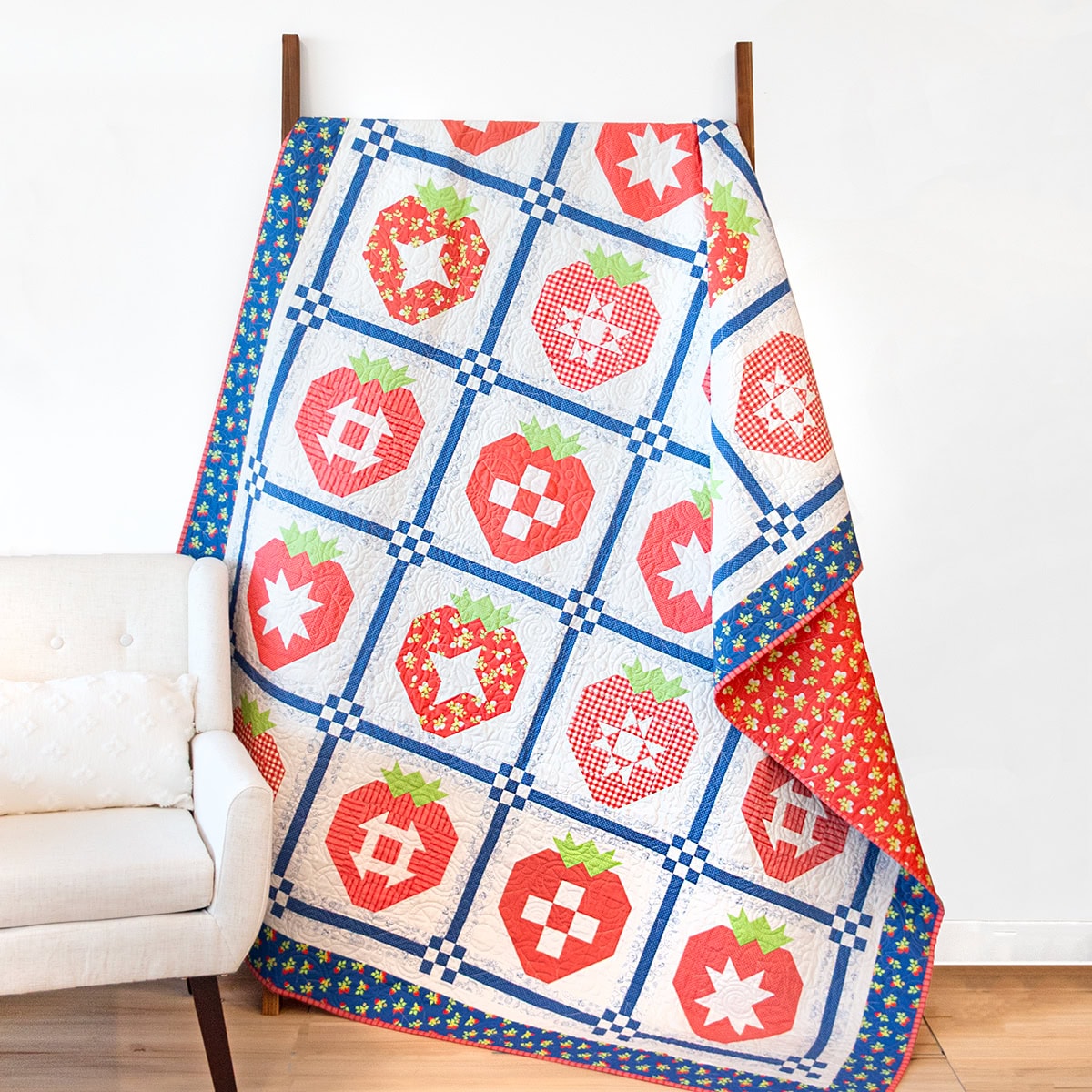
Choosing the Best Fabrics for Summer Quilts
This is where the magic really happens. The fabric you choose makes all the difference when you’re sewing for warm weather. Here are the top choices quilters love for cool, comfortable summer projects
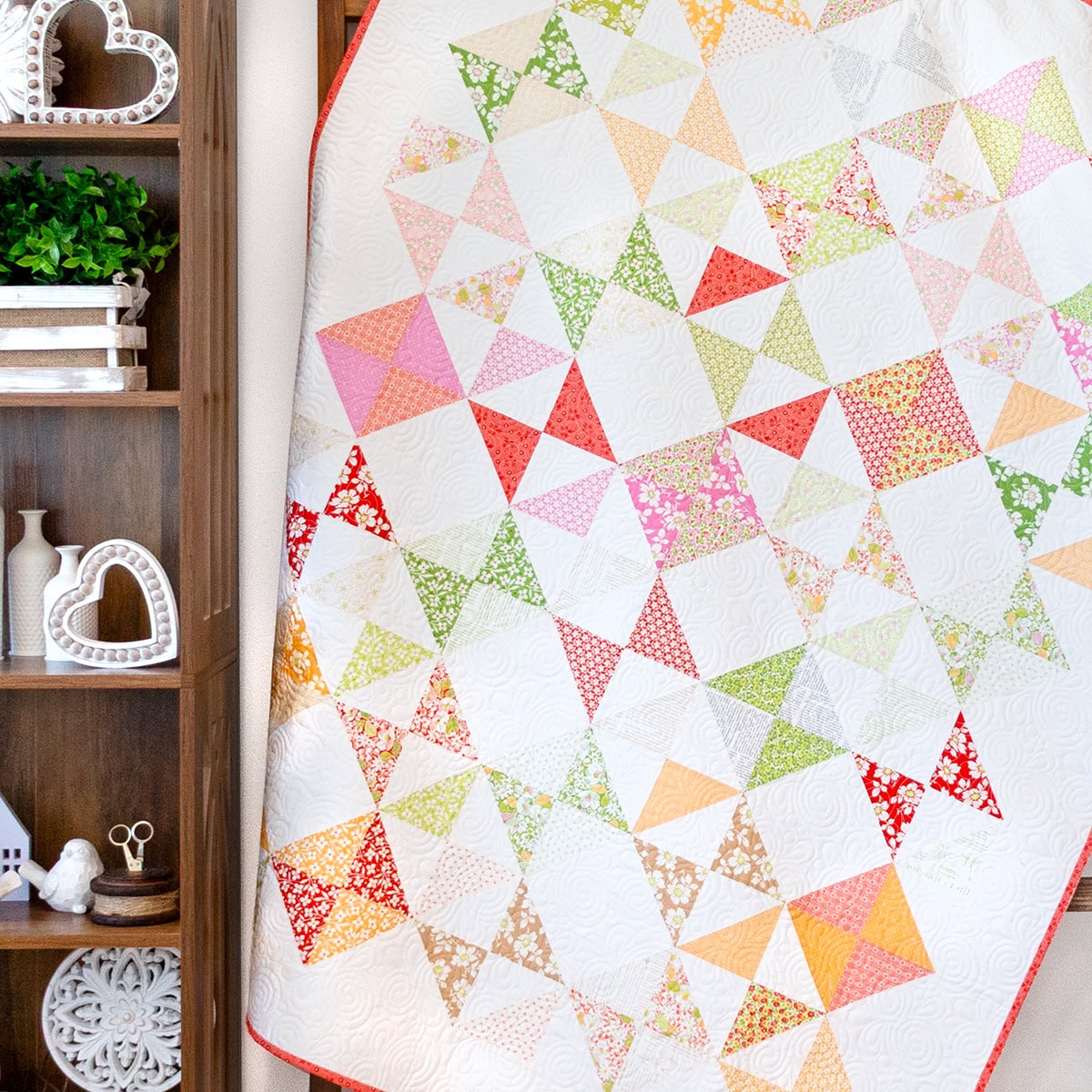
100% Quilting Cotton
Quality quilting cotton is the foundation of most summer quilt projects, and for good reason. It’s easy to cut and sew, comes in an endless range of prints and colors, and breathes well when used with a thin batting layer.
Quilting fabric by the yard gives you the freedom to choose the prints and quantities you need, and it’s a great way to mix and match across different collections for a scrappy, personalized look.
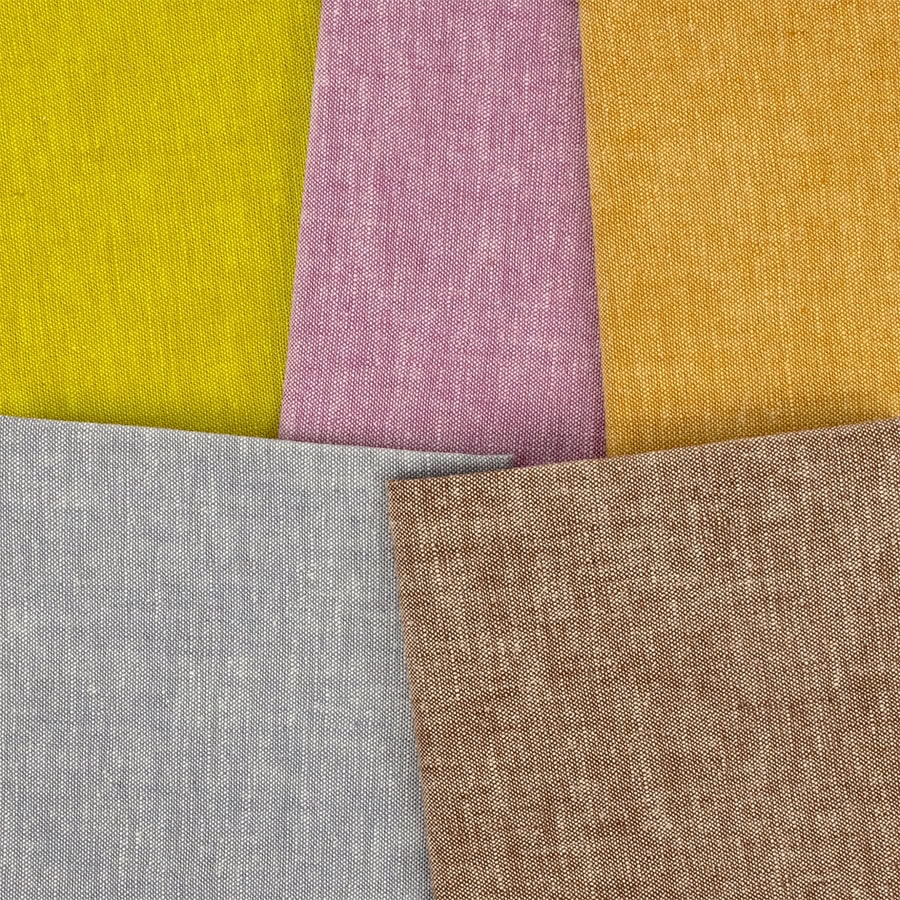
Linen-Cotton Blends
If you’re ready to take your summer quilts up a notch, a linen-cotton blend is worth trying. Linen is one of the most breathable natural fibers available; it wicks moisture, regulates temperature, and softens beautifully with repeated washing. Blended with cotton, it becomes much more approachable to sew and press than 100% linen while keeping all those warm-weather advantages.
The Right Batting for Lightweight Summer Quilts
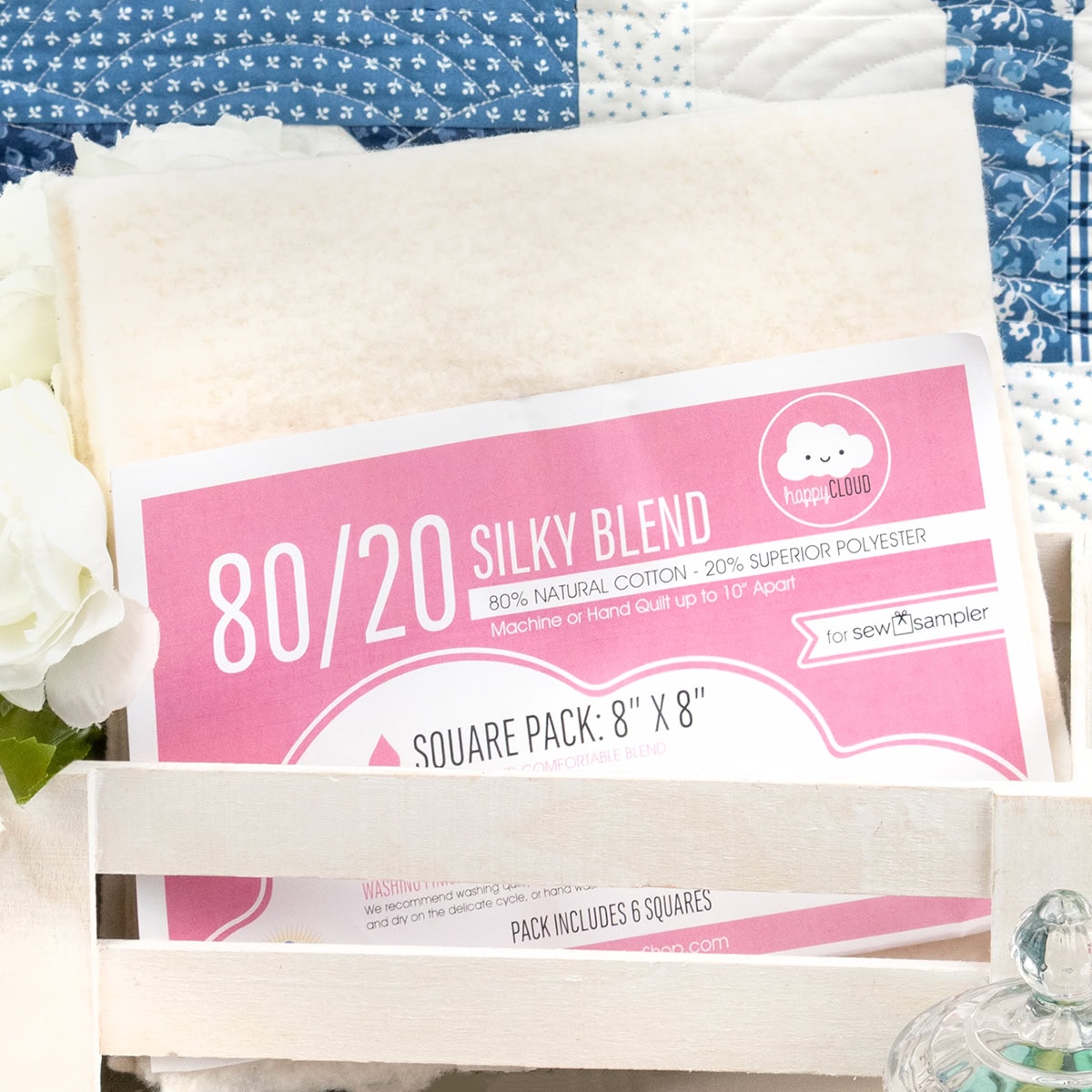
The secret to a great summer quilt is choosing the right high-quality batting. The thinner and more breathable your batting, the cooler and drapier your finished quilt will be. Here are the best options:
Low-Loft Cotton Batting
If you love the traditional look and feel of a quilted project but want to keep things summer-friendly, a thin, low-loft 100% cotton batting is your best bet. Cotton breathes well, lies flat, and gives your quilting a soft, subtle texture without trapping heat. It’s also what gives washed quilts that irresistible, gently crinkled look over time.
Bamboo Batting
Bamboo batting is eco-friendly, incredibly soft, and naturally temperature-regulating, making it a great choice for warm sleepers. If you’re sewing a summer quilt for someone who tends to overheat at night, bamboo batting is well worth the upgrade.
Flannel as Batting
A layer of flannel in place of traditional batting is a classic trick that adds a little body and a warm-to-the-touch coziness without significant heat retention. It’s usually a budget-friendly option, too. Just be sure to prewash it first, since flannel tends to shrink more than standard quilting cotton.
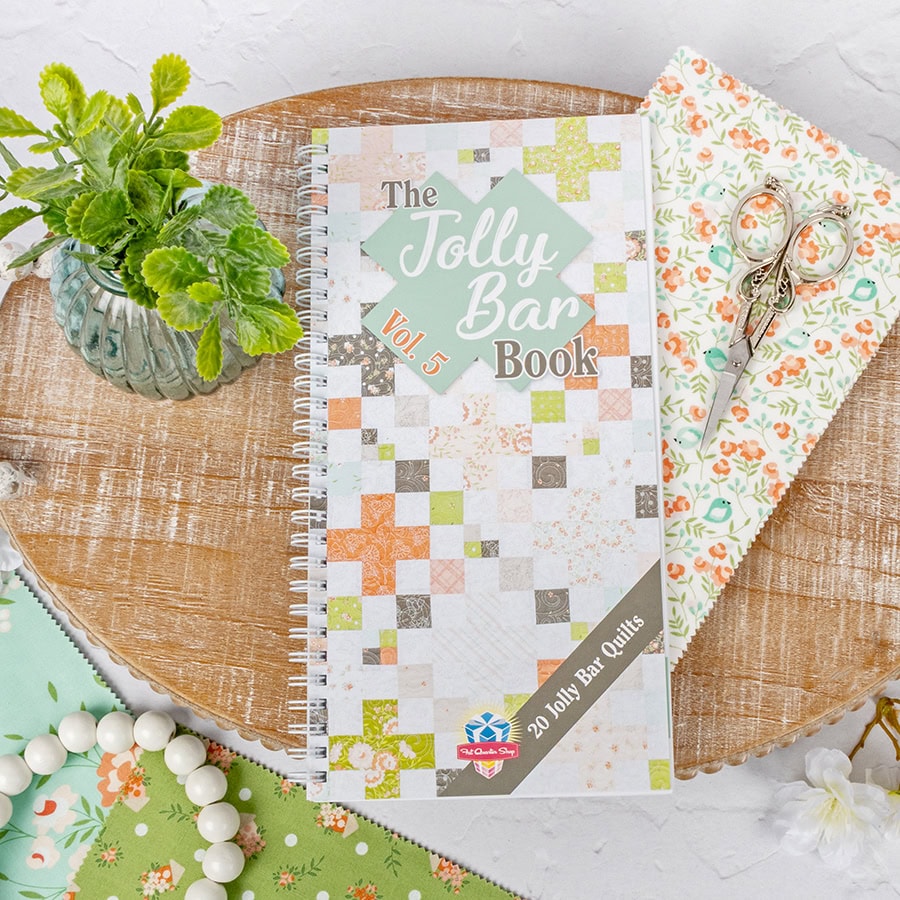
Give Yourself a Headstart: Precuts and Quilt Kits
One of the best things about summer quilting is that it’s the perfect season to keep things simple and fun. Precuts and quilt kits are your best friends here.
Start with Precuts
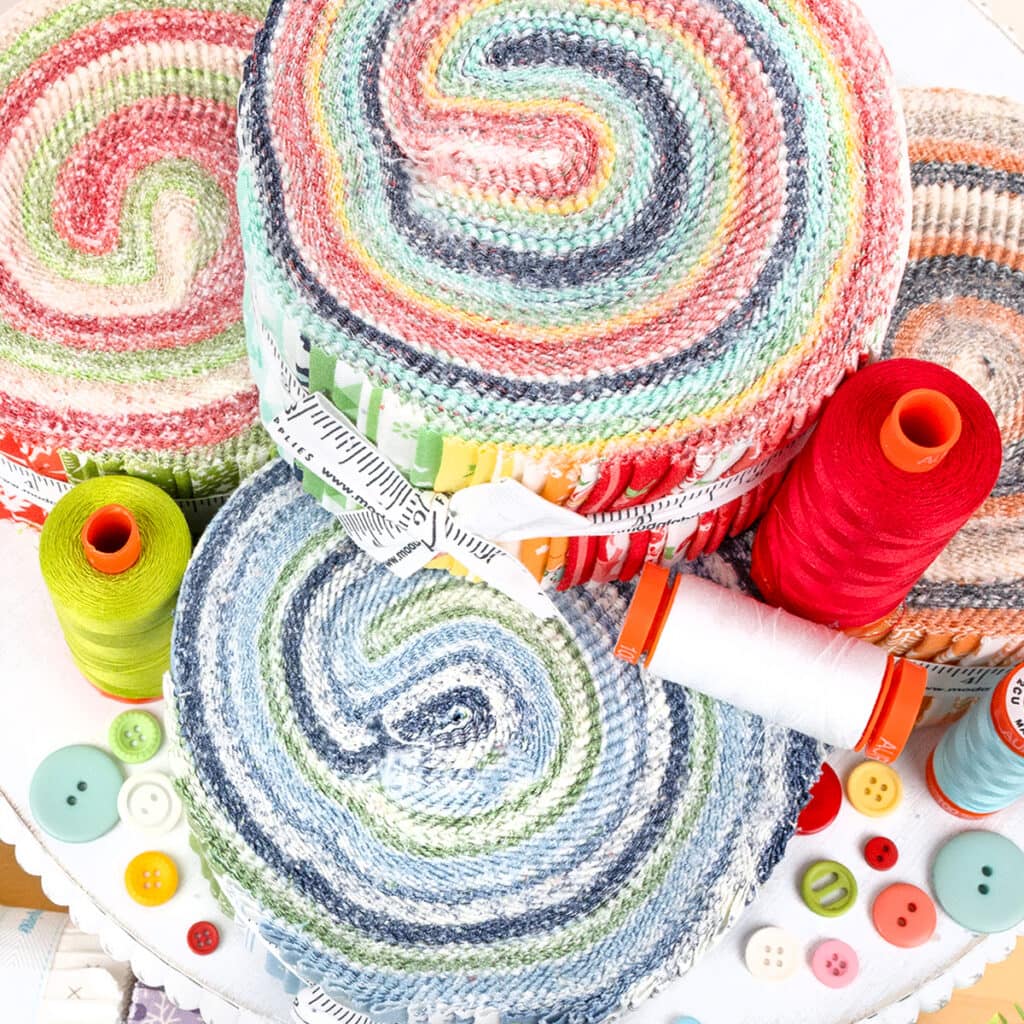
Precut fabrics have already been cut into standard shapes and sizes and bundled by collection, which means the color and print coordination is already done for you. For summer quilts, precuts are a dream. They’re available in several variations, including:
- Charm packs (5″ squares): Perfect for simple patchwork quilts. A classic nine-patch, a pinwheel, or an easy tumbling blocks layout comes together quickly from a single charm pack, with no complicated cutting.
- Jelly rolls (2.5″ strips): Ideal for strip quilts, which cut down the time needed for a seemingly complex design. A jelly roll quilt with minimal quilting and a thin cotton batting is one of the fastest summer projects you can sew, and the results are always striking.
- Fat quarter bundles: You get more fabric to play with and open the door to designs with larger blocks, which, as an added bonus, means fewer seams and a lighter, drapier finished quilt.
Any of these formats pair beautifully with a coordinating solid or low-volume background fabric that lets the prints breathe. Browse the full precut fabric selection to find combinations that feel fresh and summery.
Grab a Quilt Kit
If you want the most streamlined path to a finished summer quilt, a quilt kit is the answer. Every Fat Quarter Shop kit is “FQS Approved,” meaning the team has reviewed it for fabric accuracy, complete instructions, and generous yardage before it ever hits the shelves. In many cases, a Quilty Staffer has stitched the quilt themselves before selling the kit, and if anything isn’t right, they fix it first.
Quilt Kits take the guesswork out of yardage calculations, color pairing, and pattern selection, all the decisions that can slow a project down before you’ve even made a single cut. For a summer quilt, look for kits featuring lighter-weight fabrics, fresh colorways, and simple block designs. A lightweight coverlet for summer can be as easy as opening a kit, following the instructions, and finishing with a light cotton batting for the lightest possible result.
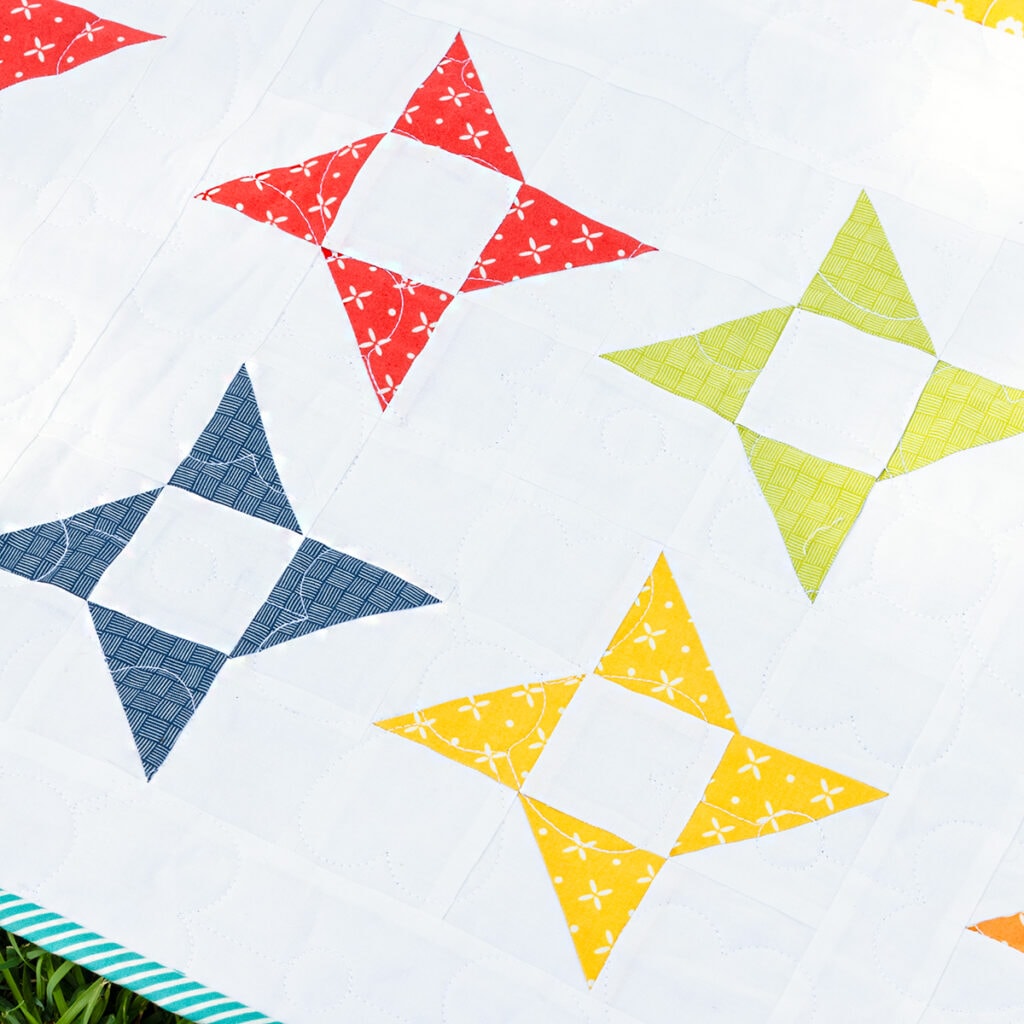
Design Tips for Thin Quilts for Summer
When planning a summer quilt, keep the design on the simpler side. Some great pattern styles for thin quilts for summer include:
- Large half-square triangle or flying geese layouts
- Strip quilts and rail fence blocks
- Nine-patch and pinwheel patterns with generous sashing
- Whole-cloth quilts: a single beautiful piece of fabric, hand- or machine-quilted with an open design
Spacing your quilting lines farther apart also helps. Aim for 2–3 inch intervals rather than tight, dense all-over quilting. The less stitching, the more the quilt can move and breathe, and the lighter it will feel.
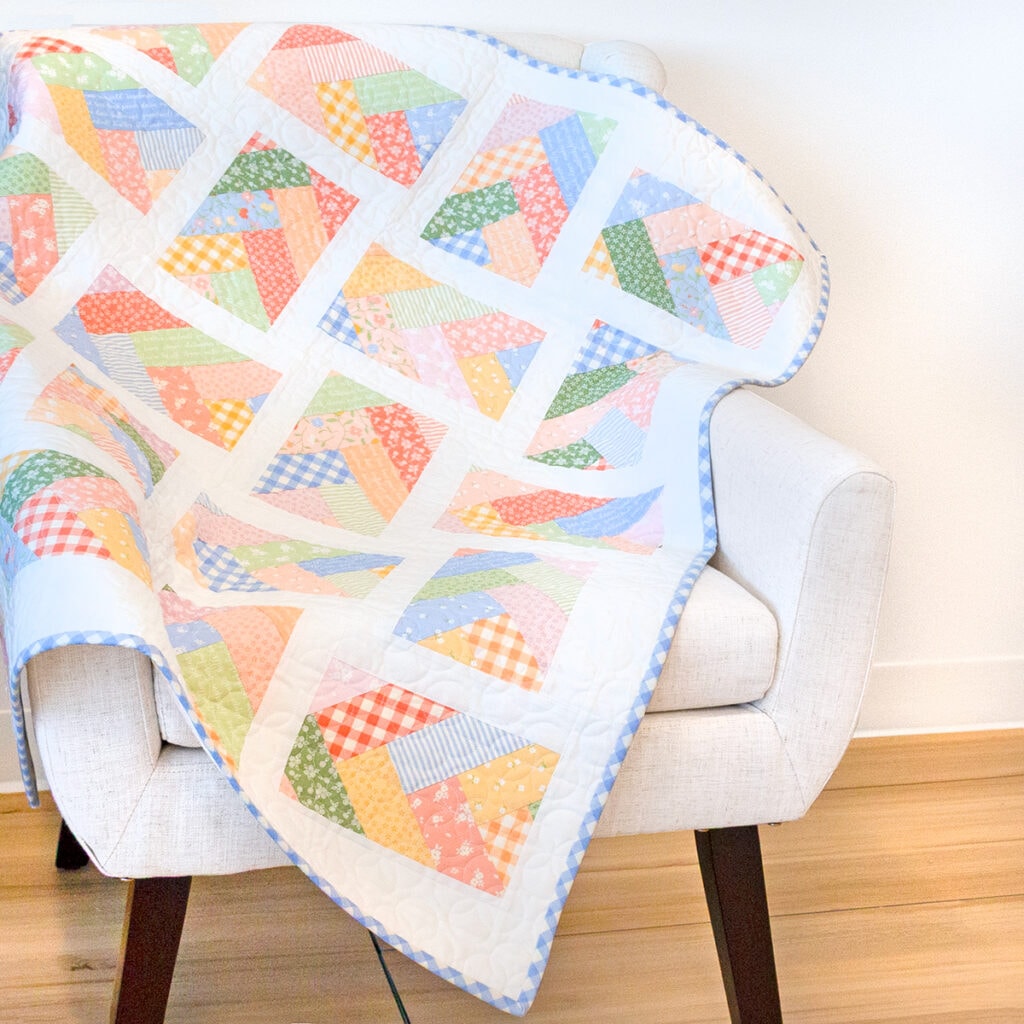
Frequently Asked Questions About Summer Quilts
What is a lightweight quilt called?
A summer quilt is the most common term, but you’ll also hear “summer throw” and “summer coverlet.” The term coverlet traditionally refers to a very lightweight bedspread, typically made with a thin batting and a simple quilted design, while a summer quilt is similar but may have a bit more structure. In everyday quilting conversation, the two terms are often used interchangeably.
How light should a summer quilt be, and what’s best for hot sleepers?
In the bedding world, summer-weight quilts are rated at 150–300 GSM (grams per square meter); the lower end of that range is better for hot sleepers or warm climates. The lightest results come from combining a breathable fabric top (linen-cotton blends are especially good here, as they naturally wick moisture and regulate temperature) with a low-loft cotton or bamboo batting. Bamboo is worth calling out for warm sleepers; it’s one of the lightest batting options available and has natural temperature-regulating properties. Avoid polyester batting and thick fleece backings regardless of the season, as both tend to trap heat rather than release it.
What is a summer-weight quilt?
A summer-weight quilt is light enough to sleep under comfortably without overheating but still provides that cozy, covered feeling that makes quilts so beloved. In the bedding industry, the ideal weight for a summer quilt is 150–300 GSM (grams per square meter). In quilting terms, this means lightweight fabrics, thin batting, and an open quilting design that allows air to move through the layers. Think of it as the quilted equivalent of a light cotton sheet.
Can I use any quilt pattern to make a summer quilt?
Mostly yes, but some patterns are better suited than others. The key is to look for designs with larger blocks and less dense piecing, since fewer seams mean less bulk and a lighter, drapier finished quilt. Patterns with lots of small pieces (think tiny half-square triangles or intricate paper piecing) create a lot of seam thickness that can make even a thin quilt feel heavier than expected. Simple designs are natural fits for summer. Precut-friendly patterns are especially great here since they’re usually designed around larger cuts and straightforward construction.
How do I care for a linen-cotton quilt?
Linen-cotton blends are easy to care for, but a little attention goes a long way toward keeping your quilt looking beautiful. Machine-wash cold on a gentle cycle, and tumble dry on low. Better yet, line dry when possible, since linen softens and drapes even more beautifully with air drying. Wash dark or saturated colors separately the first few times to avoid bleeding. One thing to know going in: linen-cotton quilts will wrinkle more than an all-cotton quilt, and that’s completely normal; it’s part of the relaxed, lived-in look that makes them so appealing. A light press with a warm iron (or simply smoothing them out while damp) keeps everything looking neat.
Stay connected to Fat Quarter Shop!


